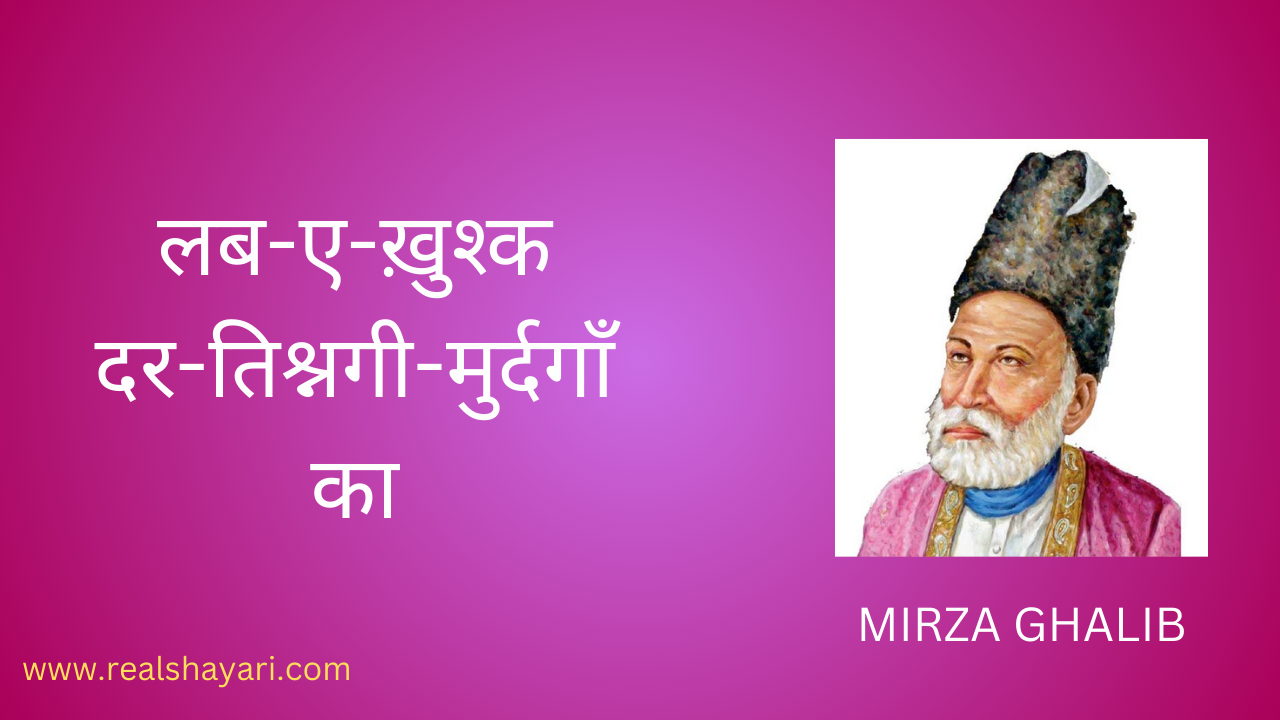
Mirza Ghalib Ghazals: 10 Powerful Four-Line Selections About Love, Life & Longing
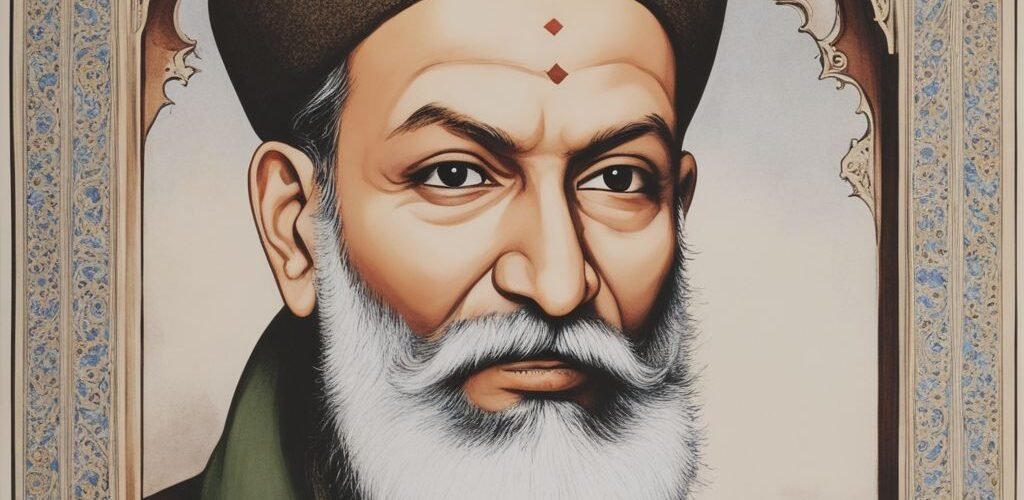
Mirza Ghalib and the Art of Expressing the Unspoken
Few poets have captured the complexity of human emotions as beautifully as Mirza Ghalib. His poetry is known for its elegance, emotional intensity, wit, and philosophical depth.
Ghalib was not simply a poet of romance. His work explored the complicated relationship between desire and disappointment, hope and despair, faith and doubt. This is one reason Mirza Ghalib Ghazals continue to attract readers more than a century after his death.
His ghazals frequently explore the experience of wanting something that may never be completely attainable. Love in Ghalib’s poetry can be beautiful, painful, confusing, and even philosophical at the same time.
Here are 10 four-line selections inspired by and translated from well-known themes and verses associated with Ghalib’s poetry.
1. Endless Desires
Desires keep rising within the heart,
Each one promising another beginning.
Even when one dream comes true,
Another quietly takes its place.
2. The Heart’s Pain
The heart knows the language of pain,
Even when the lips refuse to speak.
A smile may hide a thousand feelings,
That only a lonely heart can understand.
3. The Beloved
I thought seeing you would bring peace,
But your memory only deepened my longing.
The closer love came to my heart,
The farther peace seemed to move.
4. Love and Suffering
Love never promised an easy road,
Yet the heart willingly chose it.
Every wound became part of the story,
And every tear carried a memory.
5. Questions of Life
Why does the heart desire what hurts it?
Why does hope survive after disappointment?
Perhaps life is made of such questions,
And wisdom begins by accepting them.
6. A World of Longing
I built a world around one desire,
Only to discover how fragile it was.
The heart kept holding onto the dream,
Even when reality asked it to let go.
7. Hidden Emotions
There are feelings that cannot be spoken,
And secrets that remain inside the heart.
The eyes reveal what words conceal,
When love becomes too deep for language.
8. Memory
Years may pass and seasons may change,
Yet some memories refuse to grow old.
A single moment from the past,
Can return with all its original warmth.
9. The Unanswered Question
I kept searching for meaning in life,
But every answer opened another door.
Perhaps the mystery is not meant to end,
Perhaps the search itself is the journey.
10. The Lasting Heart
The world may forget what once happened,
Time may cover yesterday with dust.
But what deeply touches the heart,
Can remain alive long after the moment ends.
What Makes Ghalib’s Ghazals So Special?
The distinctive quality of Ghalib’s poetry lies in its ability to combine emotion with thought. His verses can be read as love poetry, but they can also be understood as reflections on existence and human nature.
He often presented the heart as something unpredictable. It wants what may be impossible, remembers what should perhaps be forgotten, and continues hoping even after disappointment.
This complexity makes his poetry especially relevant to modern readers. Relationships today may look different from those of Ghalib’s era, but emotions such as longing, heartbreak, uncertainty, and unfulfilled desire remain unchanged.
Another remarkable feature of Ghalib’s work is its openness to interpretation. Two readers can read the same couplet and discover completely different meanings. One may see romantic longing, while another may see a deeper reflection on life.
That flexibility has helped his poetry survive across generations.
Ghalib’s legacy also extends beyond printed books. His poetry has been translated, performed, sung, discussed, and adapted into different forms of popular culture. His name remains closely associated with the richness of Urdu literary tradition.
For anyone beginning to explore Urdu poetry, Ghalib is an excellent place to start. His verses introduce readers to a world where love and philosophy often meet in the same line.
Mirza Ghalib did not simply write about the heart—he explored its contradictions, its desires, and its endless search for meaning.